
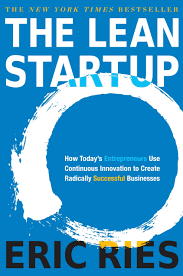
The Lean Startup Methodology is an approach to developing products and businesses that minimises risk and increases the efficiency of the development process. This is an iterative process of testing hypothesis to validate the viability of the product for the intended market, and releasing incrementally improved versions of the product based on validated learning.
The Lean Startup approach works in conjunction with the Business Model Canvas, along with Lean, value Proposition and Mission Model Canvases. From the little knowledge that I currently have, it appears to incorporate Agile principles in developing a startup business and/or product that the market will help to develop, and consequently increase the likelihood of acceptance.
Gaining a better understanding of Lean Startup Methodologies, and further reading on the Business Model Canvas, should serve me well when it comes to developing my own startup, and so I will set myself a SMART goal:
Specific
I will improve my understanding of the Lean Startup methodology by reading the book “The Lean Startup: How Constant Innovation Creates Radically Successful Businesses” by Eric Ries
Measurable
The course will improve my approach to building a digital startup, to reduce risk and increase the probability of launching a successful business.
Achievable
I have purchased a copy of the book and so the only other constraint that I have to consider is scheduling the time to read and understand it. As my current priority is to achieve proficiency with Flutter, I will delay this goal to run alongside the next module.
Relevant
My ultimate goal is to develop a startup digital business, and so the Lean Startup Methodology should prove highly valuable once I begin to work on this.
Time-Bound
I will have read the book by the 26th August 2019. With 16 chapters (including Introduction) I will commit to reading 1-2 chapters per week over the 12 week period of GAM730.

 My Journey to App Success